- 0314-4544626
- Mon - Sat: 11:00 - 18:30
From Comfort to Concern
How to Help Your Child STOP Thumb-Sucking
Thumb-sucking is more than just a cute childhood habit. It is a natural self-soothing reflex that begins in the womb. Babies instinctively suck their thumb to feel safe, relax, and comfort themselves. In most children, thumb-sucking stops naturally. However, if thumb-sucking continues beyond the age of 4 or 5, it can begin to affect teeth alignment, jaw growth, and speech development. At this stage, parents may start wondering whether a habit breaker for thumb sucking is necessary. A habit breaker for thumb sucking can help children stop the habit safely.
This guide will help you understand the causes, side effects, and practical strategies to help your child stop thumb-sucking gently and safely.
When to Worry: Age-Based Guidance
Thumb-sucking is usually a normal, self-soothing habit in young children. However, certain ages are important milestones where continued thumb-sucking may start affecting dental health, jaw growth, and facial development. Here’s a simple guide for parents:
| Age Range | Typical Outlook | Action Needed |
|---|---|---|
| 0–3 Years | Completely normal developmental behavior | None. Let your child explore and self-soothe. |
| 4–5 Years | Most children stop naturally due to peer pressure/socializing | Gentle encouragement; monitor dental alignment. |
| 6+ Years | Permanent teeth are emerging, thumb-sucking may affect bite | Consult a dentist; consider a habit breaker for thumb sucking. |
Tip For Parents
If your child is still thumb-sucking after age 5, or you notice changes in their bite or teeth alignment, it’s time to seek professional guidance. Early intervention can prevent long-term dental and jaw problems.
click here to start reading
Timmy Thumb’s Big Goodbye is a gentle, heartwarming bedtime story designed to help children naturally and confidently let go of thumb sucking through imagination, encouragement, and positive reinforcement. Instead of fear or punishment, this story turns habit-breaking into a fun adventure, where little ones become “Big Smile Heroes.”
What Are Thumbs Really For?
Tap each box to find out!
Hold Crayons
Your thumb helps you draw beautiful pictures, color rainbows, and create art like a little artist 🎨
Thumbs are made for holding… not hiding in the mouth!
Build Lego Towers
Your thumb helps you build tall towers, cars, and castles!
Strong hands build big dreams 💪
Let’s keep thumbs free to play!
Give High-Fives
High-five, best friend!
Thumbs help you clap, wave, and cheer.
Happy thumbs belong outside your mouth 😄
Eat Yummy Food
Your thumb helps you hold apples, roti, sandwiches, and treats.
But when the thumb stays in the mouth too long, teeth can move and feel sad 😢
Side Effects Of Prolonged Thumb-Sucking
While thumb-sucking is normal in young children, continuing the habit after age 4–5 can cause problems with teeth, jaw growth, speech, and even hygiene. Understanding these potential effects helps parents take timely action.
Dental Issues
Thumb-sucking can put pressure on your child’s teeth and jaw, leading to:
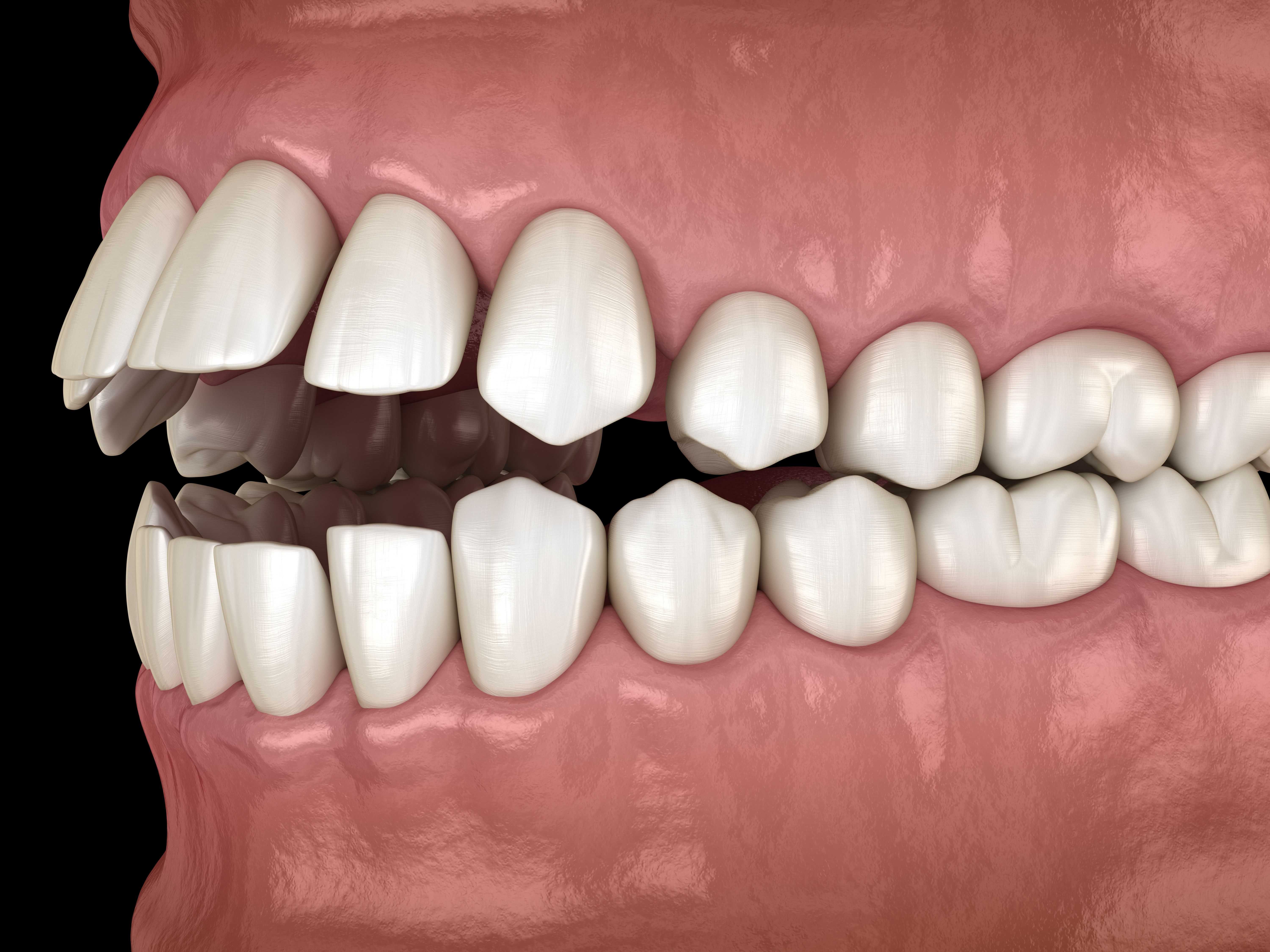
Crooked or protruding front teeth:
The front teeth may tilt outward, affecting the smile.Open bite:
The upper and lower front teeth may not meet properly when the mouth is closed.Narrow upper jaw:
Persistent thumb-sucking can alter the shape of the roof of the mouth.- Spacing problems:
Teeth may develop uneven gaps.
Tip for Parents
Early dental check-ups can detect these changes before braces are needed.
Speech Problems
Children who continue thumb-sucking may develop minor speech issues:

Lisping – Difficulty pronouncing certain sounds like “S” or “Z.”
Difficulty with other sounds – Pronouncing letters like “T” or “D” can be affected if teeth alignment is impacted.
Tip for Parents
If speech issues arise, consult a pediatric dentist or speech therapist along with habit guidance.
Jaw & Facial Growth
Prolonged thumb-sucking can influence facial and jaw development:
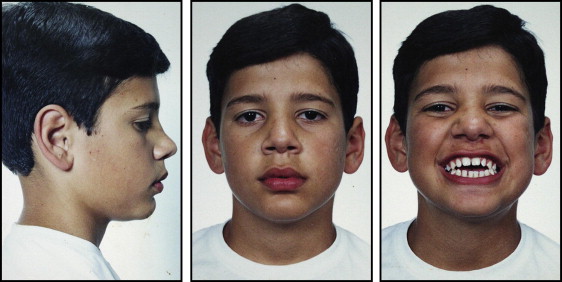
Changes in jaw alignment – The habit can alter the bite and how upper and lower jaws meet.
Longer facial appearance – Continuous pressure may slightly elongate the face over time.
Mouth breathing habit – Thumb-sucking can encourage breathing through the mouth, which can affect facial growth and oral health.
Tip for Parents
If you notice changes in your child’s bite, facial profile, or frequent mouth breathing, seek an early dental evaluation.
Hygiene Concerns
Thumb-sucking also increases the risk of infections:

Germs from hands – Fingers and thumbs carry bacteria and viruses that can enter the mouth.
Higher risk of illnesses – This can lead to stomach bugs, colds, or other infections.
Tip for Parents
Encourage hand washing and clean the child’s hands before thumb-sucking if the habit persists temporarily.
Parent-Friendly Habit Breaker for Thumb-Sucking Solutions
Parents often wonder when to introduce a habit breaker for thumb-sucking. Ideally, a parent should first identify the trigger for thumb-sucking. Then, use positive reinforcement and gentle reminders, keep the child’s hands busy, and provide nighttime solutions like gloves or bandages. If these strategies don’t work, a parent can consider using a habit breaker.


1. Identify the Trigger
Observe when your child sucks their thumb:
- Sleep time?
- Boredom?
- Stress or anxiety?
Addressing the trigger reduces the habit naturally.
2. Positive Reinforcement
- Praise dry days
- Use sticker charts or small rewards
- Celebrate small wins, not failures
3. Gentle Reminders
- Use soft reminders: “Hands out, please”
- Avoid scolding or punishing
4. Keep Hands Busy
- Give toys, coloring books, puzzles, or stress balls
- Provide a bedtime stuffed toy
5. Night-Time Solutions
- Soft gloves
- Thumb guards
- Bandages as a reminder
6. Consult a Dentist
- If thumb-sucking continues after age 5, a dentist can provide safe, painless habit-breaking appliances.
- Early intervention prevents braces or orthodontic complications later.



Step-by-Step Guide to Using a Habit Breaker for Thumb Sucking
| Trigger | Parent-Friendly Solution |
|---|---|
| Boredom | Keep hands busy with toys, coloring, or puzzles. |
| Anxiety / Stress | Offer comfort, soft guidance, or a stuffed toy. |
| Sleep | Use a thumb guard or soft glove at night. |
| Unconscious Habit | Gentle reminders, positive reinforcement, or a reward chart. |
Habit Breaker for Thumb Sucking: When and How to Use?
Parents may consider a habit breaker if, the child continues thumb-sucking after the age of 4–5 years. Permanent teeth have started erupting and the habit is still present. There are visible changes in the bite, such as open bite or protruded front teeth. The child is unable to stop despite positive reinforcement and gentle reminders.
An early dental evaluation can help determine whether simple behavior guidance is enough or if an appliance is required. If you have any questions, you can contact us directly at our number:
Frequently Asked Questions (FAQs)
A: Night-time thumb-sucking is usually less harmful but should be monitored if it continues after age 5.
A: If your child is 5+ and the habit continues, or if you notice dental alignment issues.
A: With positive guidance, most children stop within a few weeks to months.
A: No, punishment increases stress and often makes the habit worse. Gentle encouragement is key.
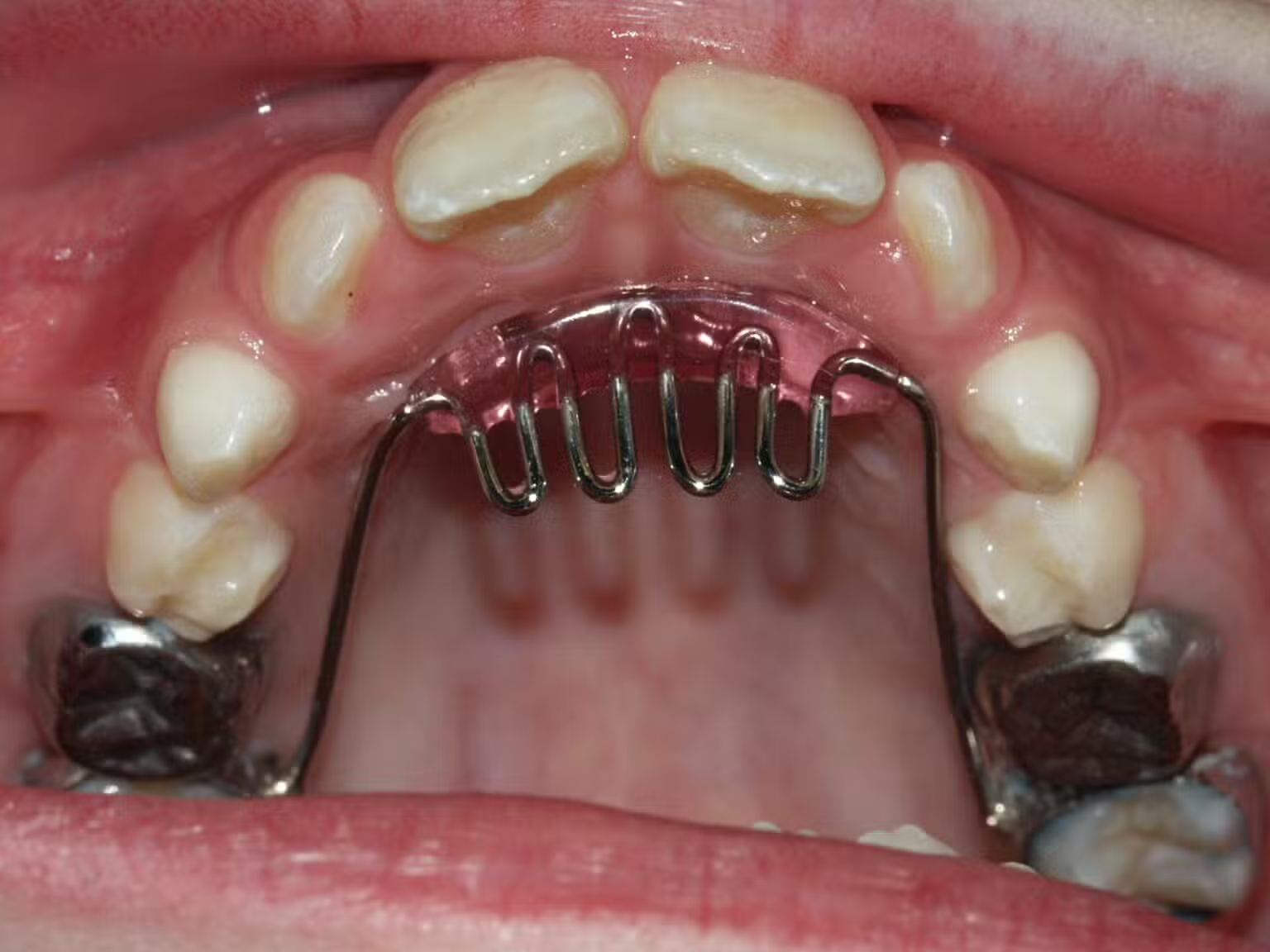
A habit breaker is a dental appliance used to help children stop thumb-sucking or finger-sucking habits. It works by preventing the thumb from creating suction inside the mouth, which makes the habit less satisfying and gradually helps the child stop.
Some habit breakers are removable, while others are fixed appliances placed by a dentist. The purpose is not to punish the child, but to gently interrupt the habit and protect proper jaw growth, tooth alignment, and facial development.
The ideal age for using a habit breaker is usually between 5 and 7 years, especially before or during the early eruption of permanent front teeth. At this stage, intervention can prevent long-term changes in jaw growth and bite development.
In children under 4 years of age, thumb-sucking is often a self-soothing habit and may stop naturally. In these cases, reassurance and gentle encouragement are usually recommended instead of appliances.
Early guidance protects your child’s smile, facial growth, and confidence.

About Dr. Meenaz Karim
Dr. Meenaz Karim is an experienced and compassionate dental practitioner known for her gentle touch and precise handwork. She has completed her Master’s degree in Pediatric Dentistry from Malaysia, where she received specialized training in children’s dental care and preventive dentistry. Humble, kind, and approachable, Dr. Meenaz has a natural ability to connect with children, helping them feel safe, comfortable, and confident during dental visits. Her calm manner and child-friendly approach ensure that every little patient enjoys a positive dental experience. Children truly love her, and parents trust her for the care of their child’s smile.
If you have any questions, you can contact us directly at our number:

ADDRESS
First Floor, 8th Commercial Street, hall no.1, Zamzama Commercial Area Defence V Karachi, 75600, Pakistan
Admin@iioco.com.pk
PHONE
+92-314-454415